
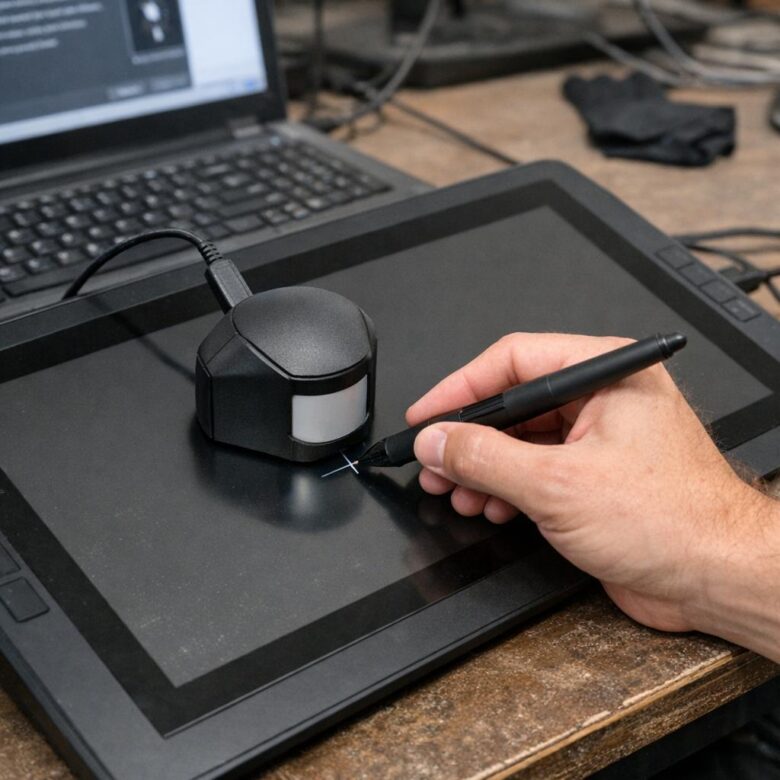
Calibration aligns cursor and pen tip by matching eye position, display angle, and pressure points, reducing parallax so digital ink lands precisely where the stylus touches.
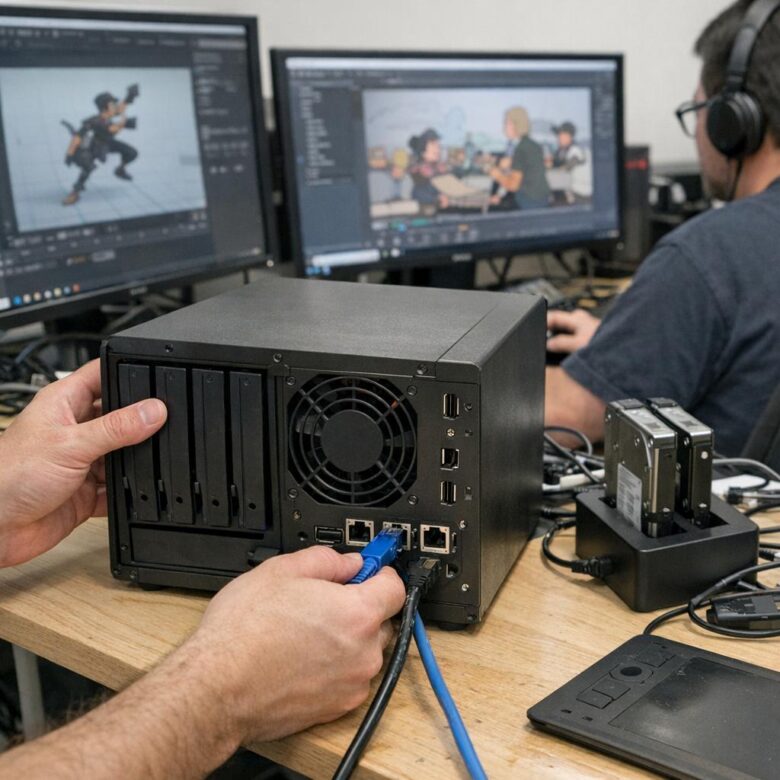
Configure NAS with 10GbE, RAID redundancy, and project-level permissions to let multiple animators stream assets, cache previews, and save scenes without bottlenecks.
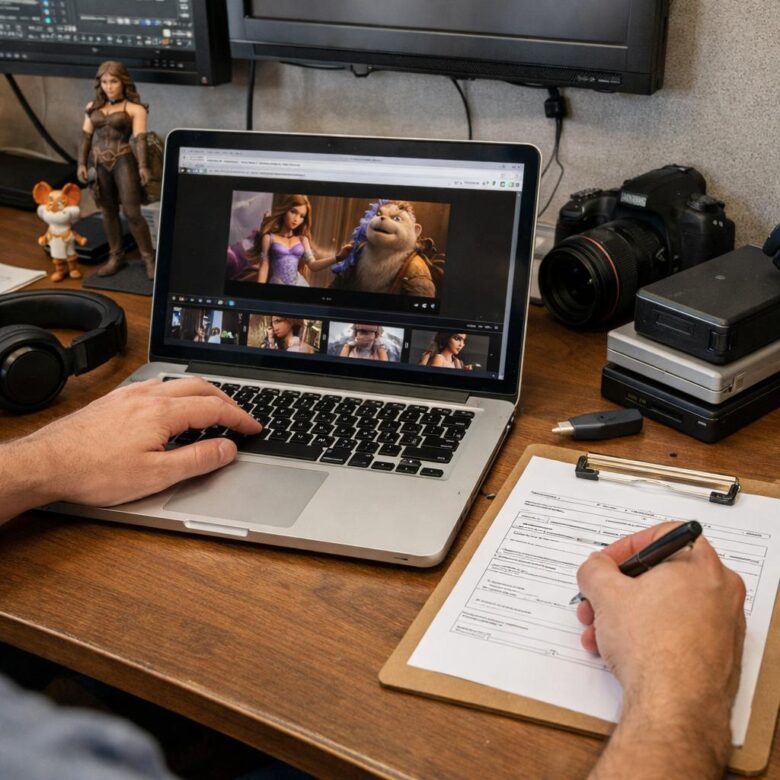
Commercial parody can invoke fair use, but there are no safe “loopholes.” Transform the source, target the original, limit borrowed elements, and document your creative rationale.
DMCA takedowns help protect premium animation assets by documenting ownership, identifying unauthorized rips, and submitting precise notices to hosts, marketplaces, or search platforms.
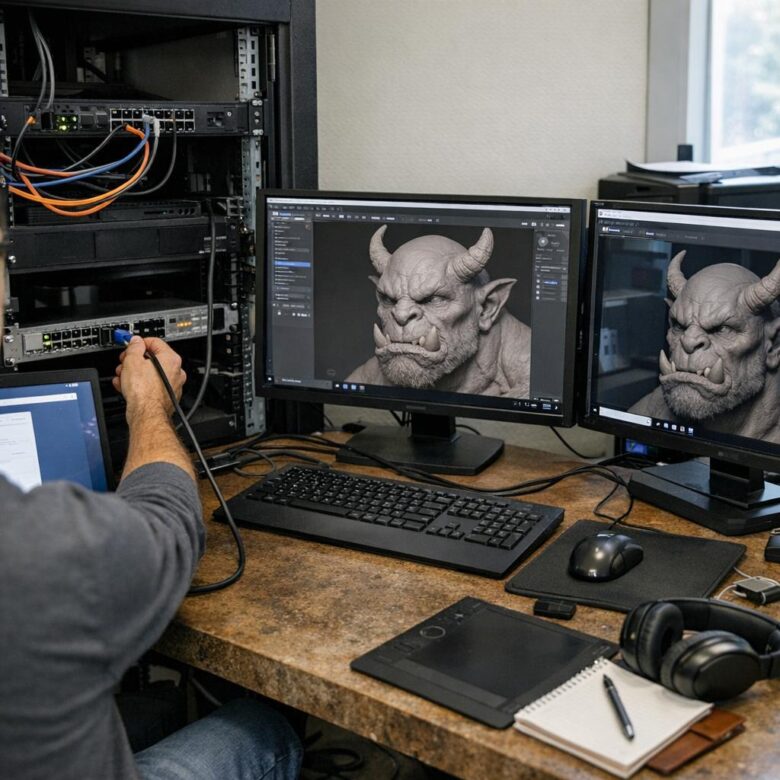
Secure remote sculpting pairs GPU streaming with MFA, VPN/ZTNA access, low-latency codecs, and calibrated displays to protect assets while preserving precise 3D detail.
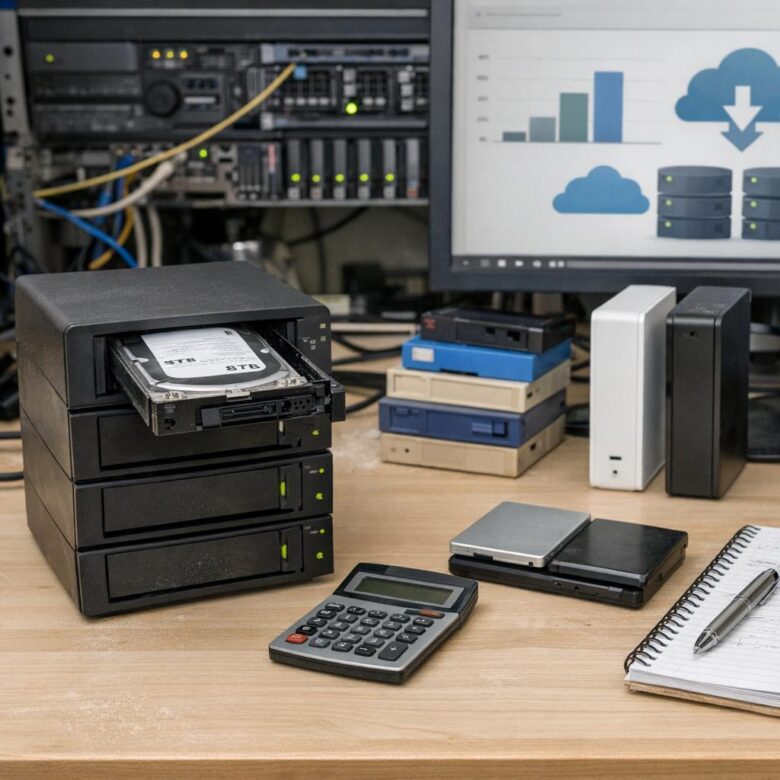
Reduce 8K archive costs by tiering uncompressed animation files to cold storage, setting lifecycle rules, and validating retrieval fees against restore-time needs.
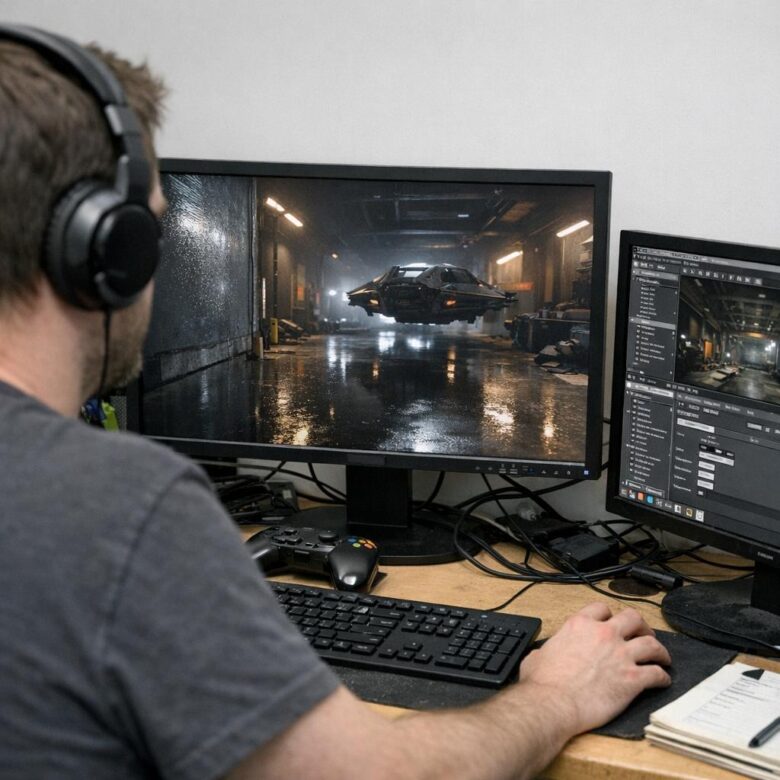
Ray tracing artifacts often stem from unstable denoisers, low sample counts, or mismatched reflection settings. Validate per-shot lighting, motion blur, and temporal history.
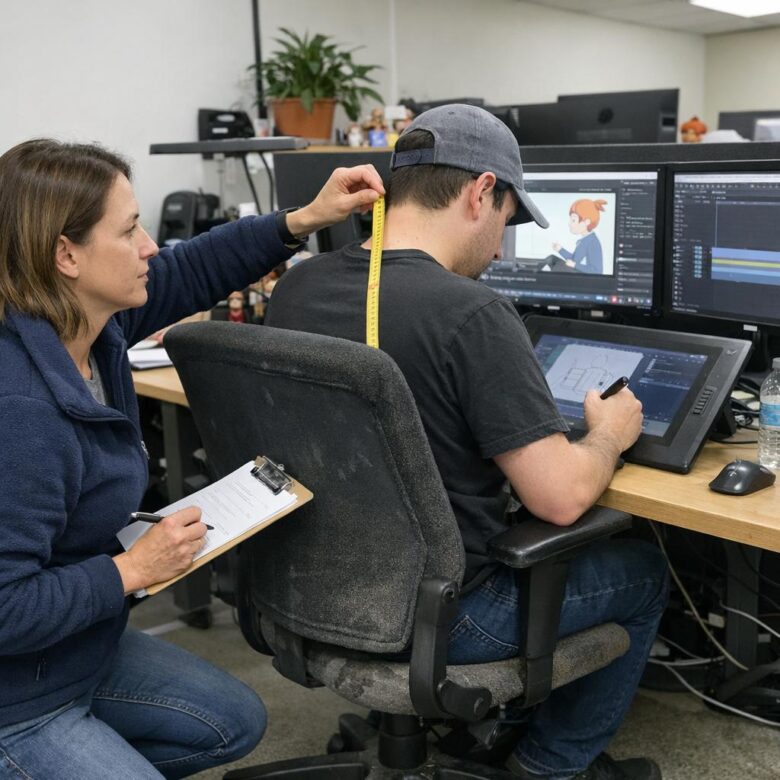
Assess workstation risk: mismatched chair height, unsupported forearms, monitor misalignment, and cramped tablet space can drive fatigue, RSI claims, and lost animation throughput.
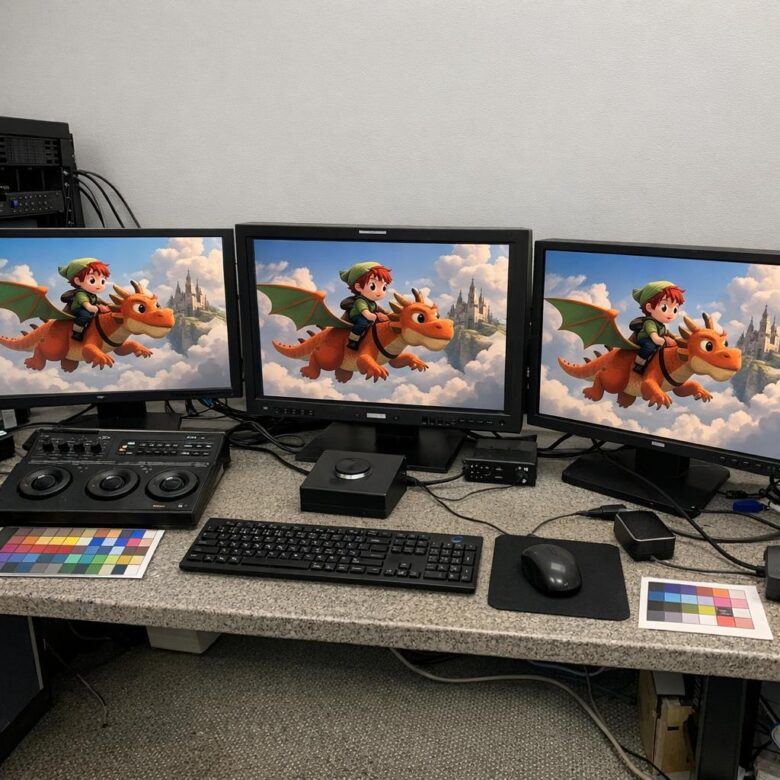
Reference monitors for broadcast animation should be judged on Rec. 709/P3 accuracy, uniformity, 10-bit processing, calibration support, and stable HDR tone mapping.
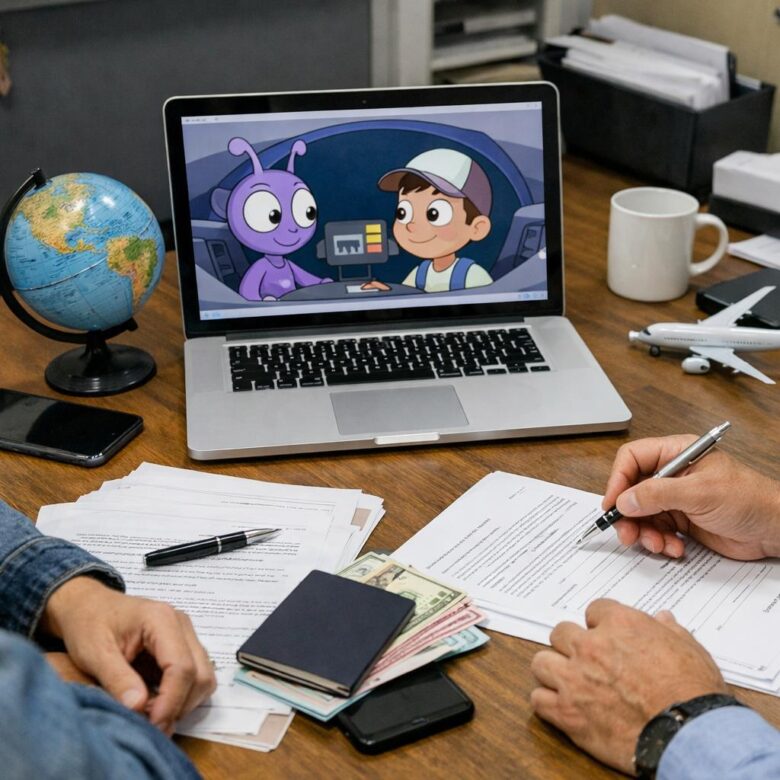
Secure global rights by clearing chain of title, music, talent, and artwork licenses early, then negotiate territory, term, media, and revenue terms before pitching distributors.